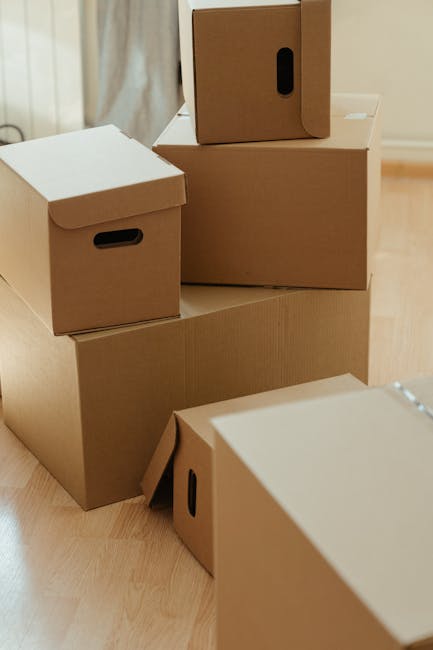
Moving Day Packing Plan for Flats With Narrow Staircases
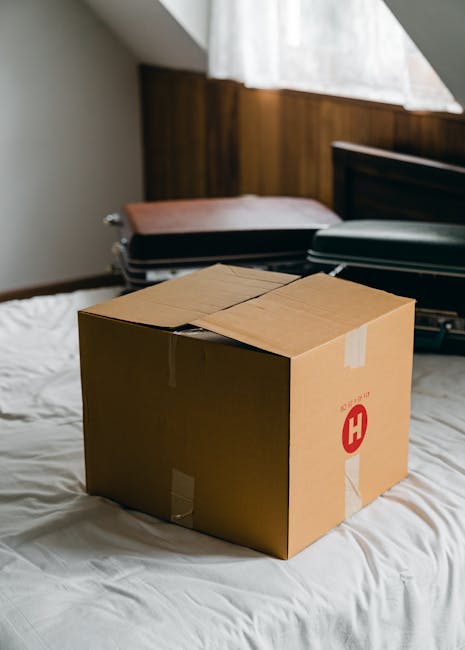
If you are moving out of a flat with narrow staircases, the packing plan matters just as much as the van booking. One awkward sofa corner, one box packed too heavy, and suddenly the whole day slows down. A good Moving Day Packing Plan for Flats With Narrow Staircases keeps the route clear, protects your belongings, and stops everyone from getting stuck on the turn halfway down the stairs. Sounds simple. In practice, it is where a lot of moves either go smoothly or become a bit of a faff.
This guide walks you through how to pack for tight stairwells, what to do the week before, how to label and stage items, and where people usually trip up. You will also find a checklist, a comparison table, and practical tips that make sense in real UK flats, not just in idealised moving-day fantasy land.
Why Moving Day Packing Plan for Flats With Narrow Staircases Matters
Narrow staircases change the whole moving equation. In a house, you usually have room to pivot, carry, and stack. In a flat with a tight stairwell, every box, chair, mattress, and wardrobe has to be moved with more thought. There is less room for twisting, less space for resting items safely, and more chance of scuffed walls or a painful knock to the shin. Not ideal, frankly.
A packing plan is not just about neatness. It is about matching your packing style to the actual access route. If your hallway is cramped, the turn is awkward, or the stairs are steep and old-fashioned, then the way you pack should make lifting easier and reduce the number of trips. That means smaller boxes, clearer labels, better sequencing, and a stronger focus on what should be dismantled before moving day.
People often underestimate the time lost in a narrow stairwell. One oversized box can block the landing. A loose bag can catch on the banister. A bulky lamp in the wrong box can force a whole pause while someone rethinks the carry. A proper plan prevents those tiny delays from stacking up. And when you are moving in London, where parking, timing, and building access can already be a bit of a puzzle, those savings matter.
Expert summary: For flats with narrow staircases, the best packing plan is the one that reduces box weight, limits awkward shapes, and stages items in the order they will leave the property. Small choices make a big difference on the day.
If you are comparing full packing support with a lighter-touch moving setup, a service such as packing and unpacking services can be useful when time, access, or heavy furniture is working against you. Equally, a basic man and van arrangement may suit smaller flats if your packing is properly organised.
How Moving Day Packing Plan for Flats With Narrow Staircases Works
The idea is straightforward: you pack with the staircase in mind, not just the room. That means thinking about size, weight, shape, sequence, and how things will be carried from each room to the front door and then downstairs. A staircase with a tight bend, low ceiling, or narrow mid-landing changes what counts as a sensible box.
In practice, the plan works in five linked stages:
- Assess access early. Measure stair width, landings, and any awkward turns. If your sofa or bed frame already feels like a squeeze on a normal day, it will feel twice as awkward on moving day.
- Sort items by moveability. Some things can stay assembled. Others should be dismantled. Heavy or oversized items need special handling.
- Pack by weight and fragility, not by room alone. This is the part people skip. A kitchen box full of tins should not be the same size as a kitchen box of mugs and glasses.
- Label for route and priority. Not just "kitchen" or "bedroom", but also "load last" or "fragile".
- Stage by exit order. Put the first items to move nearest the door and keep stair landings clear.
The staircase itself is part of your packing system. A good plan prevents the classic moving-day shuffle where someone is waiting on the landing while another person is trying to figure out if the box will turn, and then everyone stands there for a second too long. You know the scene. A bit of a quiet standoff.
For larger furniture or a trickier route, some people also look at removal services or a sturdier removal van setup, especially when access, parking, and load size all need coordinating together.
Key Benefits and Practical Advantages
A smarter packing plan does more than save time. It makes the move safer, calmer, and usually cheaper in the long run because fewer items get damaged and fewer delays creep in. That is the honest version. No magic, just less chaos.
- Less lifting strain: Smaller, balanced boxes are easier to carry down stairs without pulling awkwardly on your back or shoulders.
- Lower damage risk: Stair railings, painted walls, and box corners all get along better when the load is tidy and well prepared.
- Faster loading: If your items are stacked in move order, the van team can keep moving instead of guessing what comes next.
- Fewer interruptions: The team spends less time stopping on the landing, opening boxes, or repacking on the fly.
- Better use of professional help: If you have movers, your money goes further when they are not wasting energy on preventable problems.
There is also a mental benefit, and let's be fair, that matters more than people admit. A cramped flat can feel slightly overwhelming on moving morning. When the boxes are sensible, the labels are clear, and the route is tidy, the whole job feels more controlled. You will notice the difference in the first ten minutes.
If you are gathering quotes, pages such as pricing and quotes can help you compare options without guessing, while insurance and safety is worth a look if you want to understand how belongings are handled in transit and during loading.
Who This Is For and When It Makes Sense
This kind of plan is especially useful if you live in a top-floor flat, a period conversion, a maisonette with a tight internal staircase, or a modern apartment block where the stairwell is technically legal but not exactly generous. It also helps if you have bulky furniture, limited helpers, or a move-out window that is uncomfortably short.
You will probably benefit most if any of these sound familiar:
- Your staircase turns sharply at the landing.
- Two people cannot pass each other easily in the hall.
- Your flat is on the upper floor and the lift is out of service, or there is no lift at all.
- You own large furniture, mirrors, TVs, or delicate items that need careful carry routes.
- You are moving on a weekday with restricted building access or parking pressure.
Truth be told, even a small move can become awkward if the route is tight. One client-style scenario that comes up often is the "one-bedroom flat with too much life in it" situation: enough clothes, kitchenware, books, and soft furnishings to fill more boxes than expected. That is where a route-first packing plan really earns its keep.
If you are trying to coordinate a move in a specific part of the city, local pages such as London removals and area pages like Islington can be helpful context when planning around parking, access, and typical building layouts.
Step-by-Step Guidance
1. Start with a staircase check
Measure the narrowest parts of the route, including the actual stair width, any tight turns, the landing space, and the height where wall lights or bannisters may interfere. You do not need a surveyor's toolkit. A tape measure, phone camera, and a careful walk-through are usually enough. If something feels tight in the dry run, it will feel tighter with a mattress in motion.
2. Separate items by shape, not just by room
In a flat move, shape matters nearly as much as weight. Long objects, oddly shaped lamps, bulky trays, and anything with handles or fragile edges should be packed with the route in mind. Keep awkward items together only if they can be carried safely as a pair. Otherwise, split them up. A box that stacks well is worth its weight in gold, honestly.
3. Use smaller boxes than you think you need
Small boxes are your friend on narrow stairs. They are easier to lift, easier to tilt, and less likely to scrape the wall on the turn. A heavy book box should stay compact. The same goes for kitchen items, toiletries, and dense storage bits. If a box feels "fine" when you pick it up, that is usually the right weight.
4. Pack by priority and landing sequence
Think about what needs to leave first. Bedding, spare clothes, and non-essential kitchen bits can often be packed early. Everyday items, chargers, snacks, cleaning supplies, and documents go last in a clearly marked essentials bag. On the stairs, the sequence matters. Items needed for disassembly should be loaded before random loose boxes, otherwise you end up stopping halfway through to fetch a screwdriver. Been there, it is annoying.
5. Dismantle furniture before the day, not on the day
Bed frames, tables, and shelving units are far easier to carry in pieces. Keep screws, fittings, and Allen keys in labelled bags taped to the relevant item. If your sofa has removable feet or cushions, take them off in advance. The more you reduce bulk, the more the staircase stops being the main problem.
6. Protect edges, corners, and surfaces
Use blankets, bubble wrap, or soft padding around vulnerable items. But do not over-wrap everything into a giant awkward bundle. The trick is protection without creating a shape that fights the staircase. Delicate items should be secure, but they should still be manageable through the stairwell.
7. Stage the exit area
Keep the hallway as open as possible. Place the first load near the front door, but not where it blocks movement. If you live in a building with neighbours using the same staircase, this matters even more. A tidy exit point reduces friction, literally and socially. Nobody enjoys squeezing past a wardrobe while trying to get to work.
8. Leave a final bag of essentials
This should include keys, phone charger, medication, water, snacks, toilet paper, a cloth, and any documents you need immediately. Keep it with you, not in the van. When the last box is gone, you do not want to be hunting for the charger in a pile of tape and dust.
Expert Tips for Better Results
A few practical habits make narrow-staircase moves much easier. Nothing flashy. Just sensible adjustments that prevent avoidable hassle.
- Use a colour code. A coloured sticker on each box helps everyone spot where it belongs at a glance. Fast, simple, no overthinking.
- Mark "stairs friendly" boxes. This is especially useful if you have helpers who are not familiar with the route.
- Load the awkward items separately. Tall plants, mirrors, and lamps are often best carried alone rather than with other items strapped together.
- Keep a spare roll of tape. It always goes missing at the worst possible moment. Always.
- Use wardrobe bags for soft items. They reduce loose fabric, snagging, and endless re-folding after the move.
- Protect the building, too. A blanket or door cover can help avoid scraping paint on the way through.
One small but effective tip: pack the first-floor exit path as if it were a single lane. No clutter, no loose shoes, no half-open boxes. You want the staircase to feel like a route, not a storage space.
If you are moving a lot of furniture, browsing house removals or home moves can also help you compare service styles, especially if your flat move has become more complex than a simple one-van job.
Common Mistakes to Avoid
Most stair-related moving problems are surprisingly predictable. The good news is that most of them are avoidable with a bit of planning.
- Packing boxes too heavy: A box can be perfectly sealed and still be a terrible idea to carry downstairs.
- Using too many large boxes: Big boxes look efficient until you try to turn them at the landing.
- Leaving disassembly until moving day: That tends to create stress at exactly the wrong moment.
- Not measuring furniture: People often measure the room they are leaving but forget the staircase itself. That is the mistake.
- Ignoring where items will be staged: If there is no clear exit point, boxes end up everywhere.
- Poor labelling: "Misc" is not a real plan. It just delays the unpacking.
- Forgetting building rules or neighbour access: Especially in flats, some stairs and landings are shared spaces that need respect.
Another common issue is assuming that strong tape can solve an awkward packing decision. It cannot, to be fair. If the box shape is wrong for the staircase, extra tape just makes the wrong box slightly more stubborn.
Tools, Resources and Recommendations
You do not need a mountain of kit, but a few basic tools make life easier. In many cases, these are the difference between a managed move and a cluttered one.
| Tool or Item | Why It Helps on Narrow Stairs | Best Used For |
|---|---|---|
| Small and medium boxes | Safer to lift and easier to turn on landings | Books, kitchen items, toiletries, ornaments |
| Bubble wrap or paper padding | Protects fragile items without overbulking | Glassware, frames, electronics accessories |
| Furniture blankets | Reduces scuffs on furniture and walls | Tables, drawers, white goods |
| Labels and marker pens | Makes route planning and room placement quicker | Box categorisation and priority marking |
| Zip bags for hardware | Keeps screws and fittings from disappearing | Flat-pack furniture and bed frames |
| Tape measure | Helps avoid avoidable access surprises | Checking stairs, furniture, and doorways |
For heavier items, it can help to think beyond the box. Services such as furniture pick up are useful if you are removing something that no longer needs to travel with you. And if you are choosing between different vehicle sizes, moving truck and removal truck hire pages may help you think through capacity needs.
When the move is small but the access is tricky, a man with a van arrangement is often enough. If the job is bigger, a fuller removal company setup may be a better fit. It depends on furniture, floor level, and how much time you realistically have.
Law, Compliance, Standards, or Best Practice
For most household moves, the main compliance concerns are practical rather than legal red tape. Still, good practice matters. Shared stairwells should be kept clear, exits must remain safe, and you should avoid creating hazards for neighbours, visitors, or movers.
In UK flats, especially in managed buildings, there may be rules about moving times, lift use, protection for communal areas, and parking or loading bays. These are usually set by the landlord, managing agent, or building management rather than a universal national rule. So it is worth checking ahead rather than finding out on the morning when the van is already outside and everyone is half-loaded.
Common best practice includes:
- keeping escape routes and stairwells clear;
- protecting walls and banisters where appropriate;
- not blocking shared access for prolonged periods;
- handling heavy items with enough people and the right lifting method;
- checking insurance and safety expectations with the removals provider.
From a safety point of view, it is sensible to avoid overloading yourself with boxes that are too heavy or too awkward to control. A cautious approach is not overkill. It is just good sense. If you are unsure whether a furniture piece can be carried safely, ask before attempting it. That tiny pause can prevent a very long afternoon.
Options, Methods, or Comparison Table
There is no single perfect packing method for every flat. What works depends on the staircase, the furniture, and how many hands you have available. Here is a simple comparison that may help.
| Method | Best For | Pros | Trade-Offs |
|---|---|---|---|
| Room-by-room packing | Smaller flats with straightforward access | Easy to organise and unpack | Can create mixed-weight boxes if you are not careful |
| Weight-first packing | Flats with very narrow stairs | Safer to carry, easier on the landing turns | Requires more labelling and sorting discipline |
| Furniture dismantling first | Bulky beds, shelving, and tables | Creates cleaner routes and fewer awkward carries | Takes more prep time before moving day |
| Professional packing support | Busy households or complex moves | Fast, efficient, reduces stress | Costs more than DIY packing |
If you are mainly worried about damage, a mixed approach often works best: DIY for light, non-fragile items; professional help for the awkward or valuable things. That kind of practical split is often the sweet spot, especially in city flats where every stair counts.
Case Study or Real-World Example
Here is a realistic example. A couple moving out of a two-bedroom flat in a Victorian conversion had a staircase with a tight 90-degree turn halfway down. The property was not huge, but it had plenty of books, kitchenware, a bed frame, a dining table, and a couple of tall lamps. The first instinct was to pack everything by room, which would have produced several heavy, overstuffed boxes. Not ideal.
Instead, they changed the plan. Books were split across smaller boxes. Glassware was separated into compact fragile boxes with clear labels. The bed frame was dismantled the evening before. The dining table legs were removed. The lamps were wrapped and carried separately. They also created a staging zone by the door and kept the landing clear. It sounds basic. It was basic. That is why it worked.
On moving day, the stairs stopped being the headline problem. There were still delays, because moves always have a few, but the team moved steadily rather than stopping to repack. No wall damage, no panic at the turn, no box that was obviously too heavy the moment it left the room. A small bit of planning saved a lot of stress. That is the point, really.
For more guidance on careful item handling, the article on packing fragile items for UK moves is a useful companion read, and preparing your property for a removals day gives a solid broader checklist for the home itself.
Practical Checklist
Use this checklist in the final 48 hours before the move. It is deliberately simple.
- Measure stair width, landings, and any awkward turns.
- Dismantle furniture that will not comfortably pass through the staircase.
- Pack heavy items into smaller boxes.
- Keep fragile items separate and clearly labelled.
- Set aside an essentials bag for the first night.
- Clear hallways and stairs of loose items.
- Prepare tape, labels, marker pens, and wrapping materials in one place.
- Check parking, access times, and building rules if you live in a managed block.
- Protect furniture edges, mirrors, and corners before moving them.
- Confirm who is helping with lifting, carrying, and van loading.
- Keep documents, keys, and chargers with you rather than packed away.
- Do a final walk-through of the flat before the last box leaves.
That last walk-through sounds minor, but it catches the oddest things: a charger behind the bed, one shoe in the bathroom, the spare set of keys in a kitchen drawer. Tiny details. They always seem to hide until the end.
Get a free quote today and see how much you can save.
Conclusion
A good Moving Day Packing Plan for Flats With Narrow Staircases is really about respect for the space you are working in. Tight stairs ask for smaller boxes, clearer labels, earlier disassembly, and a calmer moving route. Once you plan for the access properly, the rest of the day becomes much easier to manage.
If you remember only one thing, make it this: pack for the staircase, not just for the room. That one shift in thinking prevents a surprising number of problems. Less strain, fewer delays, and a much better chance of getting everything out without the usual moving-day drama. And honestly, that is enough of a win.
Take your time, trust the plan, and keep the route clear. The move will still feel busy, because moves do, but it does not have to feel impossible.
Frequently Asked Questions
What is the best box size for flats with narrow staircases?
Smaller and medium boxes are usually best. They are easier to carry, safer on landings, and less likely to snag on bannisters or walls. Large boxes can work for light items, but only if they stay genuinely manageable.
Should I dismantle furniture before moving day?
Yes, if the furniture is bulky enough to make the staircase awkward. Beds, tables, shelving, and some sofas are often easier to move in parts. Doing it the night before usually saves a lot of stress.
How do I stop boxes from becoming too heavy?
Limit dense items such as books, tins, and tools to smaller boxes. If a box feels fine when you lift it with one hand, that is a good sign. If it feels like a workout before the van has even arrived, it is too heavy.
What should I pack last for a flat move?
Pack daily essentials last: chargers, toiletries, snacks, medication, documents, keys, and a change of clothes. Keep them in a separate bag that stays with you rather than going into the main load.
How do I protect walls and banisters during the move?
Use furniture blankets, careful carrying, and a clear route. In shared buildings, it can also help to put temporary protection in place if permitted. The real key is not forcing oversized items through the stairwell in the first place.
Is a man and van enough for a flat with narrow stairs?
Often yes, especially for smaller flats or lighter moves. If your furniture is bulky, the access is tight, or you have a lot of items, you may want a fuller removals setup. It depends on scale and layout more than anything else.
How early should I start packing for this type of move?
Ideally, start non-essential packing one to two weeks ahead if you can. A narrow staircase move benefits from extra prep time because you need to think about size, order, and disassembly rather than just boxing things up quickly.
What if my staircase is too tight for a large sofa or wardrobe?
Measure carefully first. If the item will not safely turn or tilt through the stairwell, you may need to dismantle it, move it through another route, or arrange alternative removal. Do not force it; that usually ends badly.
Do I need special packing materials for narrow stairs?
You do not need anything exotic, just sensible basics: smaller boxes, tape, labels, padding, blankets, and zip bags for fittings. The materials are less important than the way they are used.
What is the biggest mistake people make on moving day in flats?
Trying to move too much at once. Oversized boxes, half-dismantled furniture, and cluttered hallways are the usual culprits. A calmer, more structured approach almost always works better.
Should I tell the removals team about the staircase in advance?
Yes, absolutely. A tight stairwell, awkward landing, or restricted access can change the vehicle choice, crew size, and timing. The more accurate the information you give, the fewer surprises on the day.
Can I use the same packing plan for any flat move?
You can use the same basic principles, but the details should change depending on access. A ground-floor flat and a top-floor flat with a sharp turn halfway down are not the same job at all. The staircase is the deciding factor.
Where can I find help if my move is more complicated than expected?
If the move has become more complex, it helps to look at a broader removals service or compare support options such as packing help, vehicle size, and safety cover. A proper plan is easier when the service matches the property, not just the postcode.