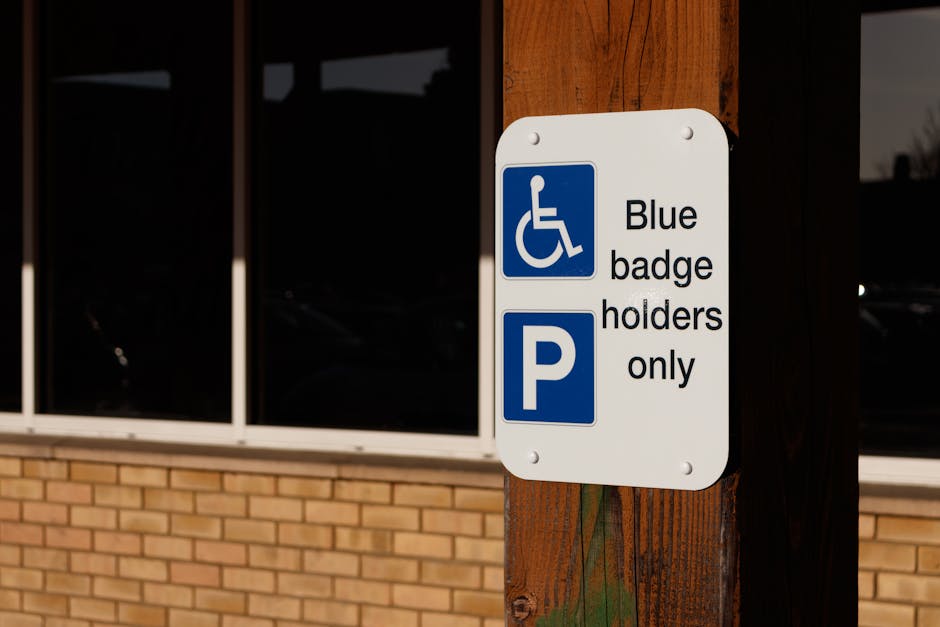
Permit and Parking Rules for Removals: What UK Councils Enforce
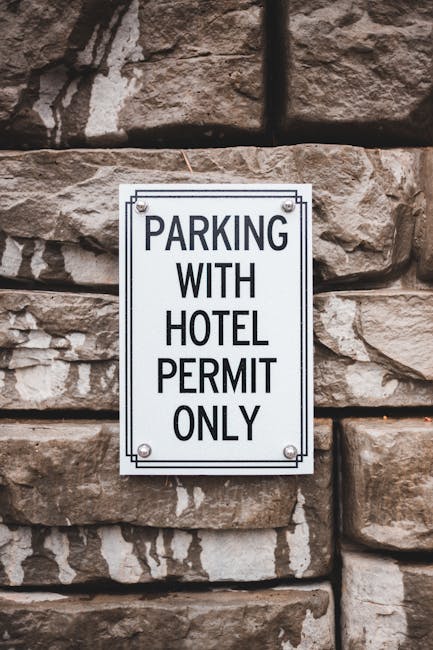
If you have ever watched a removals van circle the block while somebody runs downstairs with a clipboard, you already know the basic problem: parking can make or break moving day. Permit and Parking Rules for Removals: What UK Councils Enforce are not just admin details tucked away in a borough website. They decide whether the truck can stop legally, whether the crew can work efficiently, and whether you end up paying avoidable fines or delay charges.
Truth be told, this is one of those moving tasks people only think about once the sofa is already half out the door. In busy parts of London and across the UK, councils may enforce loading restrictions, bay suspensions, visitor permits, dispensations, time limits, and access rules that affect everything from a small flat move to a full house relocation. This guide breaks it down in plain English so you can plan properly, avoid the usual headaches, and keep the day moving. Not glamorous, but very useful.
Contents
- Why Permit and Parking Rules for Removals: What UK Councils Enforce Matters
- How Permit and Parking Rules for Removals: What UK Councils Enforce Works
- Key Benefits and Practical Advantages
- Who This Is For and When It Makes Sense
- Step-by-Step Guidance
- Expert Tips for Better Results
- Common Mistakes to Avoid
- Tools, Resources and Recommendations
- Law, Compliance, Standards, or Best Practice
- Options, Methods, or Comparison Table
- Case Study or Real-World Example
- Practical Checklist
- Conclusion
- Frequently Asked Questions
Why Permit and Parking Rules for Removals: What UK Councils Enforce Matters
Parking sounds minor until you are trying to load wardrobes into a van on a narrow street with a bus lane, a school run, and a double yellow line just a few steps away. That is exactly why councils enforce parking and permit rules around removals. They are trying to manage road safety, traffic flow, resident access, and the fair use of limited kerb space. You, meanwhile, are trying to move a life's worth of belongings without the van being forced to park half a street away.
In practical terms, enforcement matters because removals often need temporary access that ordinary parking rules do not automatically allow. A van may need to stop close to the property, sometimes on a controlled bay, loading bay, or road with restrictions. Some councils allow this through a dedicated removal permit or a loading dispensation. Others require advance booking for bay suspensions or specific signposting. And yes, the details vary by borough. That variation is where people get caught out.
There is also a timing issue. Many moving jobs start early, and councils may enforce restrictions more actively during peak traffic hours, school-run times, or in places with controlled parking zones. If you assume "it will be fine for an hour," you can find yourself with a penalty notice before the kettle has even been plugged in. Not ideal. Not at all.
For landlords, tenants, homeowners, and businesses, the impact is bigger than a fine. A parking mistake can mean slower loading, extra labour time, missed lift bookings, frustrated neighbours, and sometimes a chain reaction if the move is tied to a completion deadline. That is why experienced movers treat parking and permits as part of the move plan, not as an afterthought.
Expert summary: If there is any doubt about kerbside access, assume you will need to check local council rules before moving day. The safest approach is to plan the parking first, then the rest of the move around it.
How Permit and Parking Rules for Removals: What UK Councils Enforce Works
At a basic level, removals parking rules control where a van may stop, for how long, and under what conditions. Councils usually enforce these through civil parking officers, road markings, signs, camera enforcement in some locations, and permit systems linked to the property or vehicle. The exact process differs, but the logic is familiar.
First, the street type matters. On-street parking in a controlled parking zone is usually governed by signs and markings. A removal van may be allowed to load or unload, but that does not always mean it can leave the vehicle there unattended for long. Some streets have loading bans, red routes, resident-only bays, pay-and-display bays, or suspension zones. In one part of town you may be fine. Turn the corner, and suddenly you are not. A bit annoying, to be fair.
Second, the council may offer one of several permissions:
- Removal permit - permission for a removal vehicle to park or load in a controlled area for a set period.
- Bay suspension - the council temporarily suspends a parking bay so the space is reserved for your move.
- Loading dispensation - limited permission to stop for loading or unloading where restrictions would otherwise apply.
- Visitor or resident permit use - sometimes relevant if the property parking is within a permit-only zone.
Third, the application process usually asks for information such as the address, date, time window, vehicle details, and the type of move. Some councils need a few working days; others require a bit more notice for bay suspensions or roadworks-sensitive streets. If there are narrow roads, conservation areas, event restrictions, school gates, or market days nearby, the council may impose extra conditions.
It is worth understanding that enforcement is not the same everywhere. One borough may be relaxed about short loading activity if the driver remains with the vehicle. Another may expect a formal permit and clear signage. A good removals plan works with the local rules rather than hoping nobody notices. That last bit rarely ends well.
In many urban moves, the real question is not "Can I park there?" but "What exactly does the council allow, for how long, and under what signposted conditions?" That is the part people miss.
Key Benefits and Practical Advantages
It may feel like paperwork, but getting the permit side right has very real benefits. The biggest one is simple: fewer surprises on the day. When the parking position is sorted in advance, the crew can focus on carrying, protecting, and loading items properly instead of hunting for legal space and juggling time pressures.
Here are the practical advantages that matter most:
- Less delay - a van close to the entrance shortens carry distance and speeds up loading.
- Lower risk of penalties - you reduce the chance of parking tickets or enforcement action.
- Better protection for belongings - fewer long carries means less dropping, bumping, and fatigue.
- Less neighbour friction - a planned move looks more respectful and organised.
- More accurate scheduling - the crew can estimate the job with a bit more confidence.
There is also a hidden benefit: it keeps stress down. Moving is already a lot. Boxes, keys, utility readings, last-minute cleaning, somebody misplacing the kettle - all of it tends to pile up at the same time. Parking may not be the exciting part, but it is one of the few things you can control early. And that counts for a lot on moving day.
For businesses, especially office moves, the advantage is even clearer. A loading bay or suspended space can help keep equipment moving in a safe, orderly way. That is one reason many firms choose a professional office relocation service when deadlines are tight and access is limited. The logistics are simply easier when someone has thought about them properly.
For domestic customers, the same logic applies to a flat move, a terraced house with no driveway, or any property in a busy London street where parking is at a premium. If the van cannot get close, the whole day gets heavier. Literally heavier.
Who This Is For and When It Makes Sense
These rules are relevant to far more people than first-time movers. If your property does not have private off-street parking, or if the street is controlled in any way, parking planning should be on your list.
You are especially likely to need a permit or parking arrangement if you are:
- moving from or into a flat in a controlled parking zone
- relocating in central London or another congested urban area
- using a large van or truck that needs space to load safely
- moving at a time when local restrictions are stricter, such as weekdays or peak hours
- organising an office move with equipment that needs direct access
- working around timed building access, lift bookings, or concierge rules
It also makes sense if you are using a full-service crew, a man with van, or a smaller vehicle for a compact move. Smaller does not always mean easier. Sometimes a smaller van means more trips, which makes parking even more important. That one catches people off guard quite often.
There are a few situations where you may not need a formal permit, but should still check. For example, if you have a private driveway, a wide forecourt, or a clear loading area on private land, council parking enforcement may not apply in the same way. But the moment a vehicle touches the public highway, council rules come into play. That distinction matters. A lot.
If you are comparing moving options, it is smart to look at the overall fit, not just the vehicle size. A good removal company should be able to help you think through access, timing, and street constraints before the move is confirmed.
Step-by-Step Guidance
Here is a practical way to handle removals parking and permit planning without overcomplicating it.
- Check the street conditions early. Look at your property road, nearby side roads, and any signage outside the building. Pay attention to loading restrictions, time limits, yellow lines, and resident bays.
- Confirm whether the move vehicle will fit legally. A standard moving van may need more space than a car. Think about length, width, and whether the rear doors need room to open safely.
- Speak to the council if parking is controlled. Ask whether a removal permit, dispensation, or bay suspension is needed. If you are unsure, assume it probably is and check rather than guessing.
- Book the permission with enough notice. Councils often need lead time, especially for bay suspensions or busy areas. Leave a cushion. A very small cushion is not enough, honestly.
- Tell the removals team about access limits. Share the property details, any height restrictions, narrow entrances, stairs, or lift issues. The crew can only plan around what they know.
- Prepare the loading point. Move bins, bikes, planters, and other obstacles. A clean curbside space saves time and helps keep the move organised.
- Keep documents and contacts handy. Have permit confirmation, council details, and the removals booking ready on the day. If there is a dispute, you do not want to be hunting through email while the driver waits.
- Check the final position before loading starts. Sometimes a space looks fine in the morning and turns awkward by midday. Traffic cones, deliveries, or a neighbour's van can change the picture fast.
If the move is more complex, such as a mixed residential and commercial relocation, it is often worth organising packing support too. A well-planned service like packing and unpacking services can cut the pressure on moving day because the team is not trying to pack while simultaneously waiting for a loading space to free up.
One sensible habit: take a photo of the street and parking signs before the move. It sounds minor, but when something changes or a neighbour raises a question, having a record can be surprisingly useful.
Expert Tips for Better Results
Experience teaches you the small things that make a big difference. Here are the practical tips that tend to save the most trouble.
- Plan for carry distance, not just vehicle access. Even with a permit, the van may not be able to park directly outside the door. Think about trolleys, ramps, and extra hands if needed.
- Build in a buffer for traffic and parking checks. A 10-minute delay can become 30 minutes quickly in busy areas.
- Choose the right vehicle for the street. A smaller van can be easier on tight roads, while a larger truck may be more efficient for bigger moves. Match the vehicle to the access, not the other way around.
- Keep neighbours informed if the street is narrow. A polite heads-up can reduce complaints and awkward conversations. It costs nothing.
- Ask about insurance and handling practices. Good teams will know how to load safely in awkward parking conditions. That matters when there is a steep kerb, uneven pavement, or a tight doorway.
- Use the move as a chance to declutter. Less stuff means less time loading and unloading. If you are sorting through everything anyway, it can be a good moment to be ruthless.
In our experience, the most successful moves are not the ones with the fanciest van. They are the ones where access, timing, and responsibility have been thought through before the first box is lifted. Plain and simple.
A small practical detail: if the property is in a busy part of London, morning light can hide a surprising amount of parking tension. By midday, the street may be full of delivery drivers, traders, and residents trying to squeeze in. Start early if your permission allows it. It often helps more than people expect.
Common Mistakes to Avoid
The mistakes here are predictable, which is frustrating because they are also easy to avoid. Still, they happen every week.
- Assuming a van can stop wherever a car can. It cannot, and councils do not usually treat it that way.
- Leaving permit arrangements too late. Some permissions cannot be arranged at the last minute.
- Forgetting that rules change by borough. What works in one London council may be rejected in another.
- Not checking street signage on the day. Signs can override assumptions very quickly.
- Booking the move without mentioning access problems. Hidden steps, narrow gates, or no parking nearby should be disclosed upfront.
- Ignoring loading windows or time-based rules. A brief stop can still be restricted outside permitted hours.
- Relying on a neighbour's informal advice. Helpful? Maybe. Reliable? Not always.
Another common error is assuming the permit covers everything. It may not. A permit might allow a vehicle to load for a specific time, but not permit unloading in a different bay, parking overnight, or leaving the vehicle unattended. Read the conditions carefully. Yes, all of them. Even the boring bit in the middle.
People also underestimate how much a bad parking setup affects the whole move. A van parked two streets away is not just inconvenient. It affects labour time, item handling, and even the mood of the team. Once the day becomes a scramble, small mistakes multiply fast.
Tools, Resources and Recommendations
You do not need fancy systems to manage removals parking, but a few simple tools make life easier.
- Property photos - take pictures of the frontage, road markings, and nearby signs.
- Move-day checklist - keep permit details, contact numbers, and access notes in one place.
- Calendar reminders - set reminders for permit applications, confirmation checks, and move-day timings.
- Floor plan or room list - helps the crew load efficiently, especially when the van cannot park right outside.
- Packaging and labelling materials - simple labels reduce loading time and confusion.
If you are looking for practical move prep rather than theory, the following internal guides are worth a look: preparing your property for a removals day, a calm and organised house move, and common packing mistakes to avoid. They are useful because parking rarely exists in isolation; it is part of the wider move plan.
For broader service planning, you may also find removal services and home moves useful if you are comparing what level of help you need. A lot depends on the access at both addresses.
Law, Compliance, Standards, or Best Practice
Parking and permit enforcement sits within local council powers and local traffic management arrangements. The exact legal framework and operational rules vary by authority, so there is no single nationwide removals parking rulebook that applies in exactly the same way everywhere. That is the main thing people need to remember.
As a practical matter, councils may enforce:
- parking restrictions shown on signs and road markings
- loading and unloading restrictions
- controlled parking zone requirements
- bay suspensions and temporary parking controls
- vehicle size, access, or time-based limitations in certain streets
Best practice is to treat the council's parking conditions as mandatory, not optional, and to confirm the rules well before moving day. If a street is restricted, do not assume a quick load-and-go stop will be tolerated. Enforcement may be active, especially in busy parts of London.
From a safety and professionalism standpoint, removals teams should also use sensible loading practices when parking is tight. That means keeping walkways clear where possible, using the right lifting technique, avoiding overlong carries, and making sure the vehicle is positioned safely. If you want a sense of the standards that support this approach, the principles behind health and safety practice and insurance and safety are relevant. They do not replace local parking rules, of course, but they do help reduce risk during a move.
One useful distinction: council parking permission does not automatically mean the move is safe or efficient, and a safe moving setup does not automatically mean the parking is legal. You need both. That sounds obvious, but people mix the two up all the time.
Options, Methods, or Comparison Table
There is more than one way to handle removals parking. The right choice depends on the street, the size of the move, and how much flexibility you have.
| Option | Best for | Advantages | Trade-offs |
|---|---|---|---|
| Removal permit | Controlled parking areas and planned moves | Clear permission for a defined period; often straightforward when approved | May require notice and specific vehicle details |
| Bay suspension | Busy streets where curb space is scarce | Reserves the space near the property; helpful for larger vehicles | May cost more and often needs advance booking |
| Loading dispensation | Shorter loading or unloading periods | Useful when the stop is brief and restrictions allow exceptions | Usually time-limited and may not suit longer moves |
| Private parking / driveway | Homes with off-street access | No council kerbside issue if all activity stays on private land | May still be tight for larger vans or awkward entry points |
| Remote parking plus shuttle carry | Very restricted streets or city-centre properties | Flexible where direct access is impossible | Longer carry, more labour, slower loading |
In many real moves, the best answer is a mix of these approaches. For example, a house move may use a permit at one address and a private driveway at the other. An office move may need a bay suspension at the front and a loading plan for the rear entrance. It all depends on the site.
If you are comparing vehicle options too, the difference between a moving van, a removal van, and a larger truck can matter more than people realise. Bigger is not always better. Sometimes the narrower vehicle is the one that fits the street without creating a small parking drama.
Case Study or Real-World Example
Imagine a third-floor flat move on a narrow London road with resident permit bays on both sides. The client has a sofa, a bed, several boxes of books, a wardrobe, and a few awkward kitchen items. On paper, it is a straightforward domestic move. In practice, parking is the deciding factor.
The first step is checking whether the borough requires a bay suspension or a removal permit. The moving team then confirms the best arrival window, because school-run traffic and bin collections can make access harder than expected. The client also removes a couple of bins and a bike from the pavement area the day before, which sounds tiny but makes a real difference. The van arrives, parks legally within the arranged space, and the crew can work without circling the block.
Now compare that with the same move if no parking had been arranged. The van might have had to stop further away, carry distance would increase, the crew would spend more time navigating doors and kerbs, and the whole schedule would become shaky. One small parking decision changes the tone of the day completely.
We have seen this pattern in compact city moves again and again. The moves that go smoothly are rarely the ones with the biggest budgets. They are the ones with the best access planning. That is the honest truth.
For a different kind of example, think about a smaller item move, such as furniture only. Even then, parking still matters. A collection using furniture pick-up can become awkward if the vehicle cannot stop close enough to load safely. It is not just full house moves where the rules bite.
Practical Checklist
Use this checklist before moving day. Simple, but effective.
- Confirm whether the property is in a controlled parking zone or restricted street
- Check signs, road markings, and any loading restrictions near the property
- Ask the council whether a permit, dispensation, or bay suspension is needed
- Submit the request with enough notice
- Share access details with the removals team
- Confirm the vehicle type and whether it fits the street
- Prepare a clear loading space by moving obstacles
- Keep permit confirmation and contact details easy to find
- Take photos of the parking area and signs if useful
- Build in extra time for traffic, loading, and any last-minute issues
If you want to be even more organised, pair this with a proper move-prep process and a simple decluttering pass. Less clutter means less loading time, and less loading time usually means less parking pressure. It all joins up.
Get a free quote today and see how much you can save.
Conclusion
Permit and parking rules may not be the exciting part of a move, but they are often the part that decides whether the day feels smooth or chaotic. UK councils enforce a mix of parking restrictions, loading rules, permits, and suspensions because space is limited and traffic has to keep moving. If you understand that early, you can plan properly and avoid a lot of unnecessary stress.
The main takeaway is simple: check the street, confirm the council rules, and line up the parking before the van arrives. Once that is done, the rest of the move becomes much easier to manage. And on moving day, easier is good. Very good.
Move carefully, plan ahead, and leave yourself a little breathing room. It makes a bigger difference than people expect.
Frequently Asked Questions
Do I need a permit for removals in the UK?
Not always, but often yes if the property is in a controlled parking zone, a permit-only street, or a restricted loading area. The need depends on the local council rules and the exact parking setup outside the property.
What type of parking permission is most common for a move?
Common options include a removal permit, a loading dispensation, or a bay suspension. The best fit depends on how busy the street is, how long the van needs to stay, and whether there is controlled kerb space near the property.
How far in advance should I check council parking rules?
As early as possible. Some permissions need several working days or more, especially if a bay suspension is involved. Leaving it until the last minute is risky and can make the move more expensive or stressful.
Can a removals van park on double yellow lines?
Sometimes loading and unloading may be allowed for a short period, but that is not a free pass. The rules depend on the street, the signage, and the local council's enforcement approach. Never assume it is allowed without checking.
What happens if I get a parking fine on moving day?
That depends on the circumstances and the council's enforcement process. A penalty can add cost and stress, and it may also slow the move down if the van has to be relocated. Prevention is much better than dealing with it later.
Are parking rules different in London compared with other UK areas?
Yes, often they are. London boroughs can be especially strict because road space is tighter and enforcement is active. That said, councils elsewhere in the UK may also enforce permits and restrictions carefully, so the same principle applies: always check locally.
Does a parking permit cover the whole street?
Usually no. A permit or suspension often applies to a specific location, time window, or vehicle type. Read the conditions carefully so you do not assume broader access than the council has actually approved.
What if my removals van does not fit outside my house?
If there is no direct legal space, the move may need to use a nearby bay, a suspended space, or a remote parking plan with longer carrying distances. A good removals team will help you decide the safest and most practical option.
Do I need to tell the removals company about parking issues?
Yes, absolutely. Access problems affect vehicle choice, timing, labour planning, and overall move efficiency. If you mention them early, the team can prepare properly instead of improvising on the day.
Is it worth paying for a bay suspension?
It can be, especially in tight streets where legal parking is hard to find. A bay suspension may save time, reduce risk, and make loading safer. Whether it is worth it depends on the size of the move and the local conditions.
Can I use visitor parking for removals?
Sometimes, but only if the council rules allow it and the permit holder conditions are satisfied. Visitor bays are not automatically suitable for commercial vehicles or long loading periods, so check the rules rather than assuming.
What is the smartest thing to do before moving day?
Check the parking situation first. If you sort the access, the rest of the move becomes much easier. In real life, that one step removes a surprising amount of pressure.